Jennifer Melham • December 22, 2025
Extended U.S. Travel Ban in 2026: What International Clinicians Should Know
*This information reflects guidance available as of January 16, 2026. Immigration policies are subject to change; please refer to the official USCIS website for the most current updates.
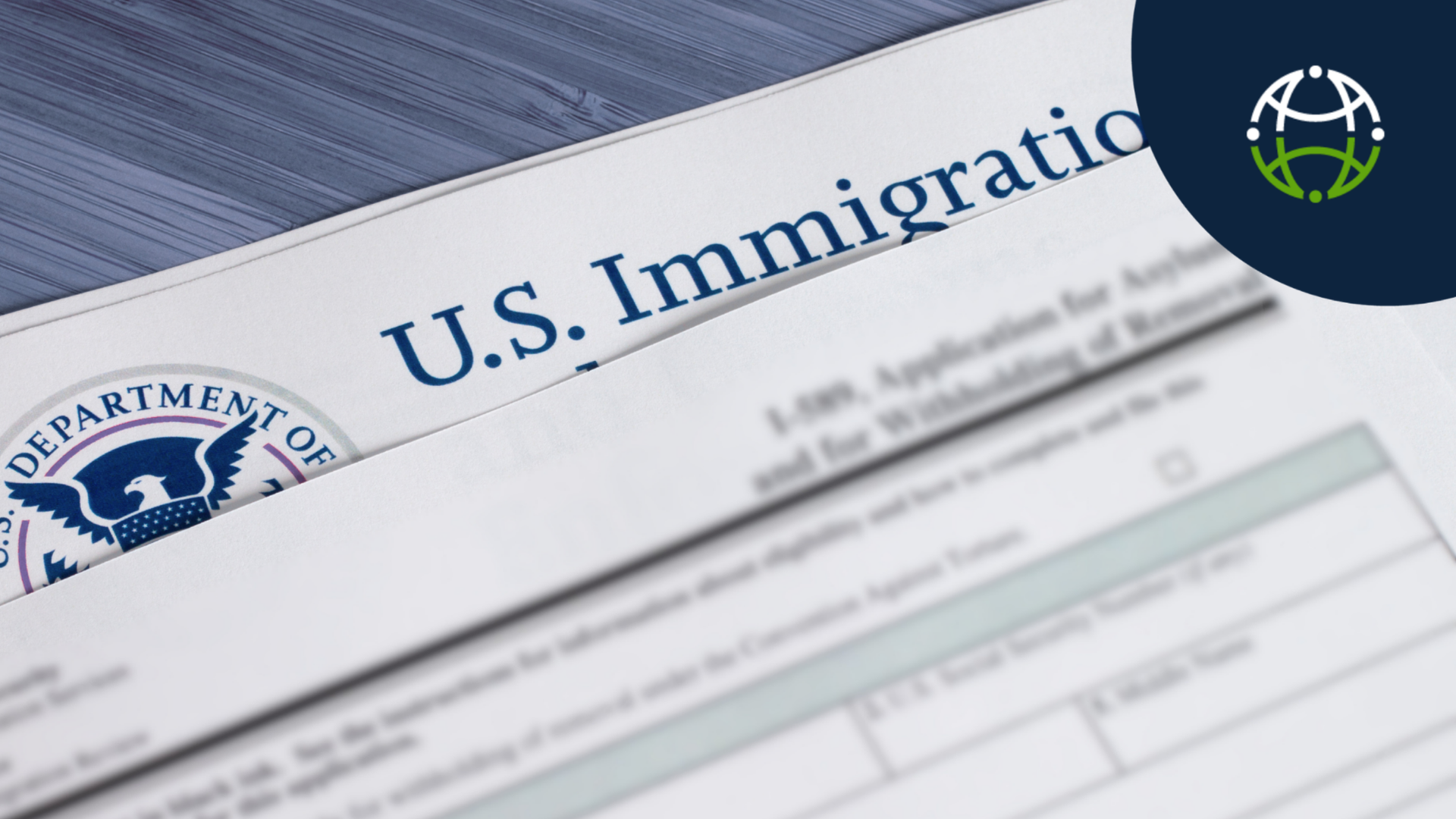
On December 16, 2025, the U.S. government announced an extension and expansion of the U.S. travel ban, which affects entry to the United States for nationals of certain countries. This new policy takes effect at 12:01 a.m. EST on January 1, 2026.
We know that headlines about travel bans can feel alarming, especially for international clinicians planning their careers in the U.S. Here is a summary of what’s changing and its implications.
What Changed?
The updated proclamation expands both:
- A full travel ban (covering immigrant and non-immigrant visas), and
- A partial travel ban (covering immigrant and non-immigrant visas).
These changes build on restrictions that were first announced earlier in 2025 and are based on U.S. government assessments related to security and information-sharing practices.
Full Travel Ban
The full ban suspends entry to the U.S. on both immigrant and non-immigrant visas for nationals of certain countries.
If you are from one of the affected countries, while your petition can continue to move forward and remain in process, a visa cannot be issued until the restriction is lifted or modified.
We understand this is disappointing news, but please know:
- Your case has not been cancelled or denied.
- Your petition remains active.
- This pause is solely due to the current travel ban restrictions, which are reviewed every 180 days.
Newly added countries include: Burkina Faso, Laos, Mali, Niger, Sierra Leone, South Sudan, Syria (as well as individuals using travel documents issued or endorsed by the Palestinian Authority).
Several countries were already subject to a full ban under prior policies. These include Afghanistan, Burma (Myanmar), Chad, the Republic of the Congo, Equatorial Guinea, Eritrea, Haiti, Iran, Libya, Somalia, Sudan, and Yemen.
The December 2025 proclamation does not change the status of nationals from these previously listed countries who were already covered by the earlier ban.
Partial Travel Ban
The partial ban restricts entry on:
- Nonimmigrant Visas: B-1, B-2, B-1/B-2, F, M, and J and may limit the validity of other nonimmigrant visas
- Immigrant Visas (i.e., employment-based immigrant petitions, green cards)
Newly added countries include: Angola, Antigua and Barbuda, Benin, Côte d’Ivoire, Dominica, Gabon, The Gambia, Malawi, Mauritania, Nigeria, Senegal, Tanzania, Tonga, Zambia, and Zimbabwe.
Countries already subject to the partial ban restrictions include Burundi, Cuba, Laos, Sierra Leone, Togo, Turkmenistan, and Venezuela.
Impact to WWHS candidates:
WWHS visa pathways are included in these visa categories. As a result, both the partial travel ban and the full travel ban impacts WWHS candidate employment. However, the travel ban is applicable to country of citizenship, not country of birth. Therefore, clinicians with dual citizen ship may still proceed with their petition process.
Who Is Not Affected?
The 2026 extended travel ban does not apply to:
- Individuals already in the U.S. before January 1, 2026
- Anyone who already holds a valid U.S. visa as of that date
- Lawful permanent residents (green card holders)
- Dual nationals traveling on a passport from a non-listed country
- Special immigrant visa for US Government employees
- Immigrant visas for ethnic and religious minorities facing persecution in Iran
Important Notes
- The U.S. government may grant case-by-case national interest exceptions.
- The policy will be reviewed every 180 days, meaning changes are possible in the future.
- The U.S. government also recently issued a visa pause on 75 countries. You can read the full breakdown of what this means at our blog here.
What Should You Do?
- Do not rely on headlines alone. Travel ban news can be confusing and often lacks context.
- Reach out to your WWHS advisor with questions about your individual situation.
- Expect ongoing updates as the government reviews the ban every 180 days.
We will continue to communicate clearly, promptly, and transparently if anything changes that could impact WWHS candidates.
If you would like deeper context, we previously hosted a webinar that breaks down the original travel ban and what it means for international healthcare professionals.
Featured Blogs